top
Express Chemist Cookie

Express Chemist uses cookies to improve your shopping experience, and to help personalise the sevices we offer.
If you choose required cookies only, your shopping experience might be affected.

Allow All Cookies Required Cookies Only
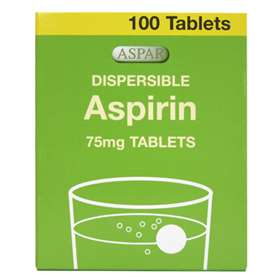
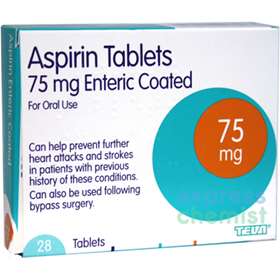
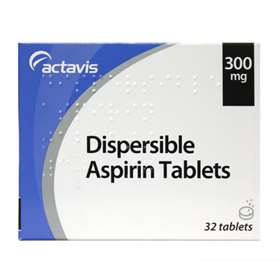
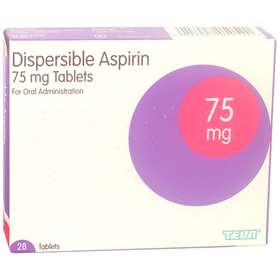
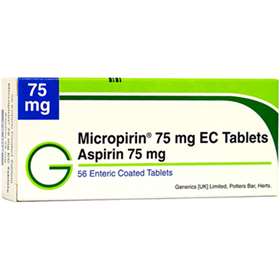
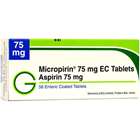
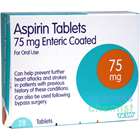
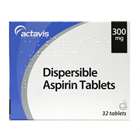
Aspirin For Blood Thinning

Aspirin's role in blood thinning comes from its antiplatelet activity, not from actually thinning the blood. For some people, it may offer significant benefits-but for others, the risks may outweigh the advantages. Only a healthcare professional can assess what's appropriate for your health needs.

What Is Aspirin?
Aspirin is a widely used medication known for its pain-relieving and anti-inflammatory properties. It also has an antiplatelet effect, meaning it can help prevent platelets in the blood from sticking together. This action is often referred to as "blood thinning," even though it does not literally thin the blood.

How Aspirin Works:
Platelets are tiny blood cells that help form clots. Aspirin reduces the platelets' ability to clump, which may lower the chance of certain types of clots forming. Because of this, aspirin is sometimes recommended in specific cardiovascular conditions-but only by a healthcare professional.

Why Aspirin Is Sometimes Discussed for Heart Health:
Aspirin's antiplatelet effect has made it a topic of interest in relation to:
Reducing risk of certain types of blood clots.
Supporting long-term cardiovascular health under medical supervision.
Managing specific conditions where clot formation is a concern.
Again, these uses depend heavily on individual risk factors and must be assessed by a doctor.

Benefits to Understand:
People may hear about aspirin for:
It has a long history of use in cardiovascular medicine.
Potential role in lowering certain clot-related risks.
Its availability and familiarity.
However, the benefits vary significantly from person to person.

Risks and Safety Considerations:
Aspirin is not suitable for everyone. Potential concerns include:
Increased risk of bleeding
Stomach irritation
Interactions with other medications
Health conditions that may make aspirin unsafe
Never start or stop aspirin therapy without medical guidance.

Who Should Seek Medical Advice First?
Anyone who is considering using aspirin for cardiovascular prevention or for its blood-thinning effect should speak with a qualified
healthcare professional, especially those who:
Have a history of bleeding issues.
Take blood thinners or other medications.
Have ulcers or stomach problems.
Are pregnant
Have chronic health conditions
You are over 60, considering aspirin for the first time.
var value
pageid: 9156
templatename: slottemplate-cat-new.htm
Pageslot count 7
briefcase picid: 0
Errors: none